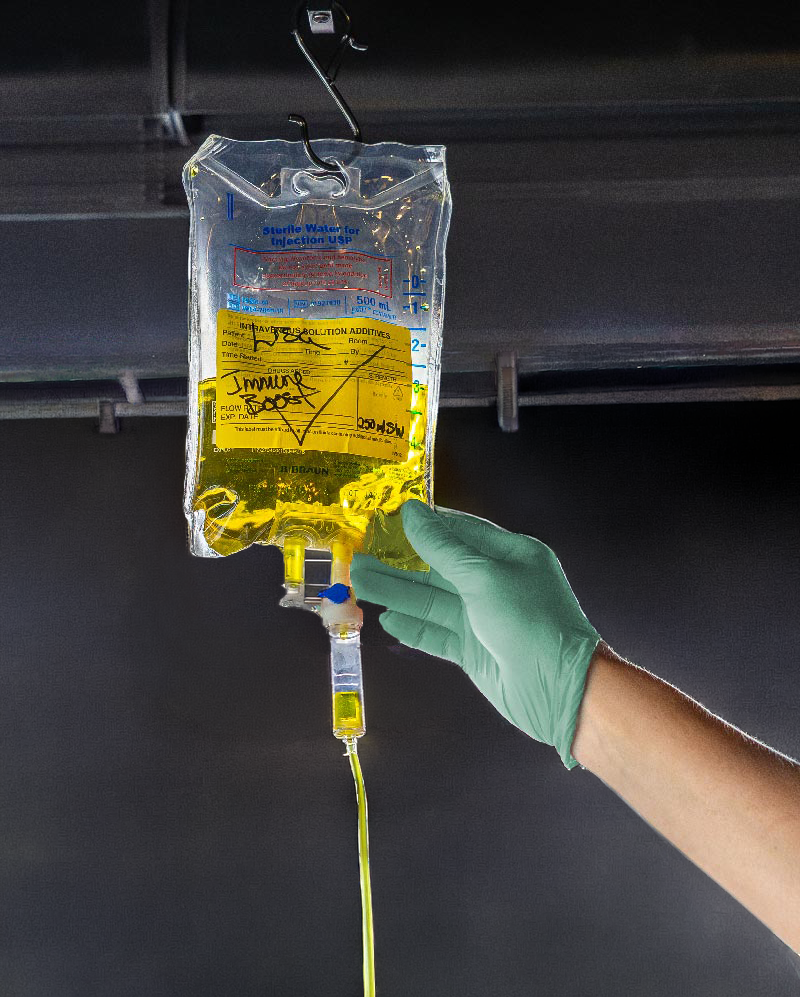
A thoughtful visit begins with the person rather than the drip. Your clinician can review the symptom or goal that brought you in, current medicines and supplements, allergies, medical conditions, pregnancy status when relevant, and previous reactions to treatment. Some infusions warrant examination or laboratory review. Whether a walk-in menu item needs a formal consultation is a separate operational question from whether it is medically appropriate for a particular patient. The staff can explain what screening is required for this specific option.
During treatment, ask about the dose, expected duration, possible discomfort at the IV or injection site, and what to do if you feel unwell. Any procedure involving a needle carries risks such as bruising, infection or a reaction; risks also depend on the ingredients and dose. Effects may be subtle, temporary or absent. A patient with significant new symptoms, such as severe headache, chest pain or profound weakness, needs diagnostic care rather than an elective wellness service.
OWM’s best expression of personalized care is a clear clinical reason for the recommendation and a realistic way to judge whether it helped. The team should distinguish correction of a documented deficiency from a wellness use with less established evidence. Confirm the current formula and whether it suits your health history. If another treatment, oral nutrition or medical evaluation is more suitable, that is valuable guidance too. The purpose is an experience that feels attentive and informed, with the limits of the therapy explained as carefully as its possibilities.
